Find Hair Dye Shampoo for Home Use, Salons, and Grey Coverage
Source 30 hair dye shampoo options from verified Chinese suppliers offering permanent and semi-permanent formulas. Compare features like ammonia-free ingredients, full grey coverage, and OEM services to find the right solution for home or professional use.
Key considerations
Products List






Comprehensive Sourcing Guide
Strategic Sourcing Guide for Hair Dye Shampoo Procurement
Navigating the global market for hair dye shampoo requires a disciplined approach that balances aesthetic performance with rigorous safety compliance. For procurement professionals, the distinction between a simple cosmetic product and a complex chemical formulation is critical. The available market data indicates a diverse range of offerings, from permanent solutions to semi-permanent mousses, each with distinct technical requirements. This guide outlines the essential factors for sourcing these products effectively, ensuring that buyers can identify suppliers who meet both functional needs and regulatory standards without relying on unverified claims.
Technical Specifications and Product Formulations
The technical landscape for hair dye shampoo is defined by specific formulation attributes that dictate performance and application. Based on observed product data, the market offers distinct product types, primarily categorized as "Permanent" and "Semi-Permanent." Permanent formulations are designed for long-lasting color changes, often featuring full grey coverage and wash-resistant color properties. In contrast, semi-permanent options may focus on temporary color shifts with different application methods.
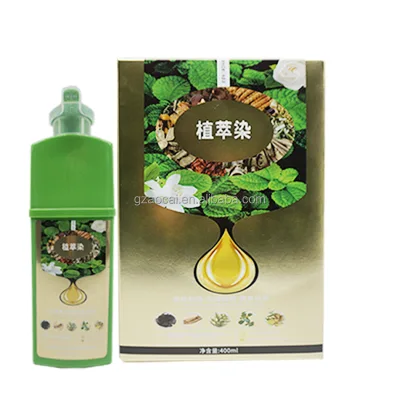
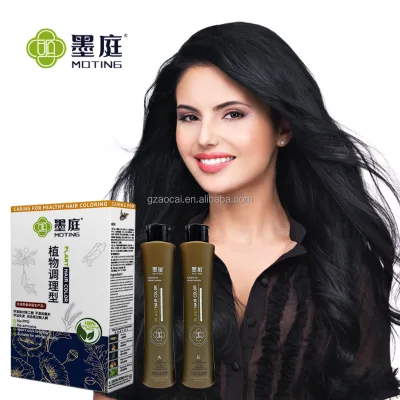
A critical technical differentiator is the ammonia content. Many modern formulations explicitly advertise "No Ammonia" as a primary feature, aiming to reduce the harsh chemical smell and potential damage to the hair shaft. These ammonia-free variants often incorporate plant-based ingredients, which are marketed as nourishing the hair cuticles while changing the hair color. The physical form of the product also varies; while the core keyword suggests a shampoo format, the market includes mousse-based alternatives and kit-based systems. For instance, some products are packaged as a 30ml+30ml kit, suggesting a two-component mixing system, while others are single-unit bottles available in various volumes such as 25ml, 200ml, or 400ml.
The packaging specifications are equally important for logistics and shelf life. Standard packaging often includes paper boxes or cartons, with specific dimensions noted for bulk shipping, such as 625575320mm per box. For liquid formulations, the standard volume is frequently 400ml, though smaller sample sizes like 25ml or 200ml are common for testing. Buyers must verify the exact model numbers, such as WNYHD023 or WNYHD027, to ensure they are sourcing the specific formulation intended for their target demographic. The "Styling Effect" is another technical consideration, with some products offering a matte or natural look, which influences the final aesthetic outcome for the end consumer.
Compliance and Certification Verification
In the cosmetics industry, compliance is not merely a regulatory hurdle but a fundamental component of product safety and market access. The supply chain for hair dye shampoo must be backed by robust documentation. Observed data highlights several key certifications that reputable suppliers should possess. These include GMPC (Good Manufacturing Practice for Cosmetics), MSDS (Material Safety Data Sheet), SDS (Safety Data Sheet), and TDS (Technical Data Sheet). The presence of a CPSR (Cosmetic Product Safety Report) is also a critical indicator of compliance, particularly for markets in Europe and other regions with stringent safety laws.
Buyers should treat certification claims with a verification mindset. While some listings mention "GMPC and More Certificate" or "Cpsr, MSDS, SDS, TDS," the specific validity and issuing bodies must be confirmed. The standard ISO 22716 is often referenced in the broader industry context for Good Manufacturing Practices, though specific product listings may not explicitly cite it as a primary standard. Instead, buyers should focus on the tangible documents provided by the supplier. The availability of a detailed MSDS is non-negotiable, as it outlines the chemical composition, handling precautions, and emergency measures. Similarly, the TDS provides the technical parameters necessary for formulation stability and usage instructions.
It is essential to note that while "OEM" and "ODM" services are widely advertised, the underlying production standards must remain consistent regardless of the branding model. A supplier offering private label services must still adhere to the same safety protocols as those producing their own branded goods. The absence of specific certification details in a product listing should be treated as a red flag, prompting a request for direct documentation before proceeding with any order.
Cost Drivers and Pricing Dynamics
Understanding the cost structure of hair dye shampoo is vital for budgeting and margin analysis. The observed price range in the market spans from $0.01 to $4.98 USD, a wide variance that reflects differences in formulation complexity, packaging quality, and order volume. The low end of this spectrum often corresponds to bulk raw materials or very small sample units, while the higher end may reflect finished goods with premium packaging or specialized formulations.
The Minimum Order Quantity (MOQ) is a significant driver of unit cost. The market data shows an MOQ range from 1 to 10,000 units. Suppliers with lower MOQs, such as 1 unit, are typically geared toward sampling or small-batch testing, which carries a higher per-unit cost. Conversely, orders approaching the 10,000-unit threshold usually benefit from economies of scale, significantly reducing the cost per unit. Buyers must balance the need for inventory flexibility with the financial benefits of bulk purchasing.
Additional cost factors include the customization level. Products offering "Customization" services, such as private labeling or specific scent profiles, often incur additional setup fees or higher unit costs compared to standard SKUs. The packaging material also plays a role; while paper boxes are common, specialized cartons or larger volume containers may increase the overall cost. Furthermore, the inclusion of "Free Samples" or "Freely Offered" samples can reduce initial testing costs, but buyers should be aware that shipping costs for these samples are often borne by the buyer.
Typical Applications and Market Segmentation
Hair dye shampoo serves a diverse range of applications, from professional salon use to at-home consumer solutions. The "Easy at-Home Use" feature is a prominent selling point, indicating that many formulations are designed for non-professional application. These products often emphasize safety features such as "No Stain Skin," "No Irritation," and "Scalp Friendly" attributes to appeal to the mass market. The "Full Grey Coverage" capability is another key application driver, targeting consumers seeking to mask aging hair without the harshness of traditional dyes.
The product type dictates the application method. Permanent dyes are generally used for long-term color retention and are suitable for clients requiring significant color changes. Semi-permanent options, which may include mousse formats, are often used for refreshing color or adding temporary tones. The "Mild Fragrance" and "No Ammonia" features are particularly relevant for consumers with sensitive scalps or those who prefer a less intense chemical experience.
Market segmentation also extends to the branding strategy. Suppliers offering "Fully/OEM" branding allow retailers to create their own brand identity, which is crucial for private label businesses. The "Service: OEM ODM Private Label" indicates that manufacturers are equipped to handle custom development, from formula creation to packaging design. This flexibility supports a wide range of market segments, from budget-friendly mass-market brands to premium salon-exclusive lines.
Supplier Evaluation and Selection Criteria
Selecting the right supplier requires a multi-faceted evaluation process that goes beyond price and product listings. Buyers should prioritize suppliers who demonstrate transparency in their manufacturing capabilities and quality control measures. The availability of "OEM/ODM" services suggests a level of flexibility, but the supplier's ability to maintain consistency across batches is paramount.
Key evaluation criteria include the supplier's response to certification requests, the clarity of their technical documentation, and their track record with similar products. The presence of specific model numbers like "hair color 01" or "FastColor Hair Mousse 20" indicates a structured product line, which is preferable to a disorganized catalog. Buyers should also assess the supplier's logistical capabilities, as indicated by delivery options such as "by Express, by Air, by Sea." The ability to offer flexible shipping methods is crucial for managing inventory levels and responding to market demand.
The "Advantage" section of product listings often highlights features like "No Itchy Skin" and "Scalp Friendly." While these are marketing claims, they should be substantiated by the supplier through safety data and clinical testing results. A reputable supplier will be willing to share these details upon request. Additionally, the "Sample" availability is a practical tool for evaluation. Whether "Free Samples" or "Freely Offered," the ability to test the product physically is essential for verifying claims regarding color payoff, texture, and safety.
Quality Control and Long-Term Procurement Considerations
Ensuring consistent quality is the cornerstone of successful long-term procurement. Buyers must establish clear quality control protocols that align with the supplier's manufacturing standards. This includes verifying the "prod_standard" and ensuring that the product meets the specified volume and packaging requirements. For instance, a standard of "400ml" must be strictly adhered to, with tolerance levels defined in the purchase agreement.
Long-term procurement considerations also involve supply chain resilience. The "prod_origin" being listed as "China" for many products highlights the importance of understanding the geopolitical and logistical landscape of the region. Buyers should assess the supplier's ability to maintain production continuity and manage lead times effectively. The "Delivery" options provided, such as air or sea freight, offer flexibility but also introduce variables that must be managed.
Sustainability and ingredient sourcing are increasingly important factors. The mention of "Ingredients: From Plant" suggests a trend toward natural formulations. Buyers should verify the source of these ingredients and the sustainability practices of the supplier. This aligns with growing consumer demand for eco-friendly and ethically sourced cosmetics. Furthermore, the "Customization" aspect allows for ongoing product development, enabling buyers to adapt to changing market trends and consumer preferences.
Comparative Analysis of Product Attributes
To facilitate decision-making, the following table summarizes key attributes observed in the market for hair dye shampoo products. This comparison highlights the diversity in formulations, packaging, and certifications available to buyers.
| Attribute Category | Permanent Formulation | Semi-Permanent Formulation | Mousse/Kit Format |
|---|---|---|---|
| Primary Feature | No Ammonia, Full Grey Coverage | No Irritation, Scalp Friendly | Easy at-Home Use, Matte Look |
| Packaging Standard | 400ml, 200ml, 25ml | 11.5kg (Bulk), Paper Box | 30ml+30ml Kit, Paper Box |
| Certifications | GMPC, MSDS, SDS, TDS | GMPC, CPSR, MSDS | GMPC, SDS, TDS |
| Customization | Available (OEM/ODM) | Available (Private Label) | Available (OEM) |
| Key Benefit | Long Lasting Color | Nourishes Hair Cuticles | Wash-Resistant Color |
| Origin | China | China | China |
This table illustrates that while the core function of changing hair color remains constant, the specific attributes vary significantly based on the product type. Buyers must align their procurement strategy with the specific needs of their target market, whether that requires the durability of a permanent dye or the gentleness of a semi-permanent option. By carefully evaluating these attributes against the supplier's capabilities and certifications, buyers can make informed decisions that ensure product quality and market success.
FAQs
What certifications do hair dye shampoo suppliers typically provide?
Suppliers typically provide GMPC, MSDS, SDS, TDS, and CPSR certifications. These documents verify safety and manufacturing standards, ensuring the product meets regulatory requirements for global distribution and consumer safety.
Can I order custom hair dye shampoo with private labeling?
Yes, customization and private labeling services are available for this product. Buyers can request OEM or ODM solutions to create unique brand identities while maintaining the core formulation features like no ammonia.
What is the minimum order quantity for hair dye shampoo?
The minimum order quantity ranges from 1 to 10,000 units depending on the supplier. Lower MOQs allow for sampling, while larger orders benefit from economies of scale and reduced per-unit costs.
How is the hair dye shampoo packaged for shipping?
Products are commonly packed in cartons or paper boxes with specific dimensions like 625 by 575 by 320 mm. Volume standards vary, including 400ml, 200ml, and 25ml options for different market needs.
Which features ensure the hair dye shampoo is safe for sensitive scalps?
Key safety features include no ammonia, no skin staining, no irritation, and no scalp damage. These attributes make the product suitable for at-home use while nourishing hair cuticles with plant-based ingredients.
What delivery methods are available for hair dye shampoo orders?
Delivery is available by express, air, or sea freight to accommodate different shipping needs. Buyers can select the method that best balances speed and cost for their specific inventory requirements.